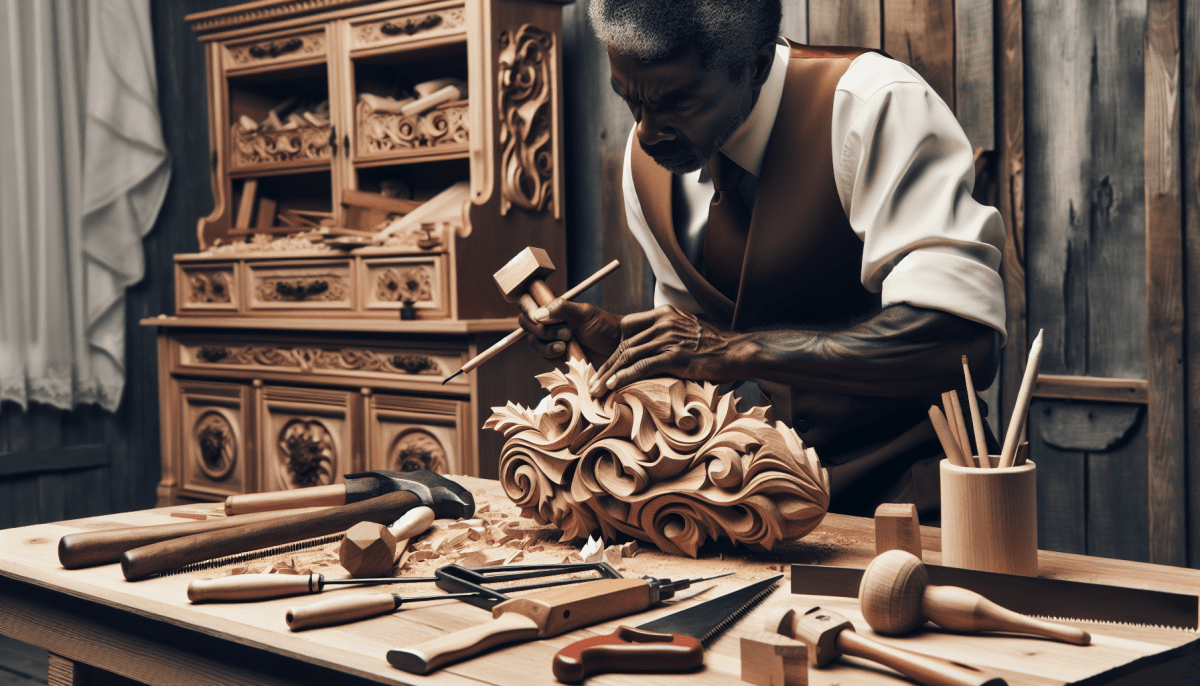
Ready to dive into woodworking? It might seem a bit intimidating at first, but getting started with the right basic tools makes the journey a whole lot smoother. Here’s a simple rundown to kick things off.
First up, a good handsaw is your best friend. If you're just starting out, look for a dovetail saw or a panel saw. They’re easy to handle and perfect for making precise cuts. For more power, consider investing in a jigsaw or circular saw as you progress.
Next, you'll need to measure and mark your materials accurately. This is where a reliable tape measure and a square come into play. A tape measure helps you get those crucial dimensions right, while a square ensures your cuts are straight and true.
Don’t forget about a sturdy workbench! Having a solid surface to work on makes everything easier. If space is tight, a foldable workbench is a great option that you can store away when not in use.
Finally, a basic toolbox will help keep your tools organized and within reach. Look for one with compartments to hold screws, nails, and other small items so you can always find what you need. With these basics, you'll be well on your way to mastering woodworking skills and tackling amazing projects!
Learn Essential Woodworking Techniques
Woodworking is more than just cutting and joining pieces of wood; it’s about understanding the materials and techniques that bring your projects to life. Whether you're a beginner or looking to brush up on your skills, there are a few essential techniques every woodworker should know.
First up, measuring and marking accurately can make or break your project. A good rule of thumb is to always measure twice and cut once. Use a reliable tape measure and a square for straight lines. Don't forget to invest in a quality marking pencil—one that can create fine lines so you get precise cuts every time.
Next, learn how to properly use your tools. If you’re working with hand tools, familiarize yourself with the basics of push saws, chisels, and planes. For power tools like drills and saws, safety is key. Always wear protective gear and take time to understand the manual before you start. This will help you work more confidently and avoid accidents.
Joinery is another crucial skill in woodworking. Understanding different types of joints, like butt joints, dovetails, or mortise and tenon, lets you create stronger and more attractive connections between pieces. Practice makes perfect, so don’t hesitate to try a few different joints to see which fits your project best.
Finally, finishing touches are what really bring your projects together. Learn about sanding techniques, types of wood finishes, and how to apply them. A smooth finish not only enhances the beauty of your work but also protects it from wear and tear. So take the time to perfect this step—it’s worth it!
Tips for Choosing the Right Wood
Choosing the right wood can make or break your woodworking projects. With so many options out there, it’s super helpful to know what to look for. Here are some tips to guide you on your journey.
First, consider the type of project you’re working on. Different woods have different strengths and appearances. If you’re building something sturdy, like a table, hardwoods like oak or maple are great choices. They’re tough and can handle a lot of wear and tear. For lighter projects, such as decorative pieces, softwoods like pine or cedar make sense.
Next, think about the finish. Some woods take stain and paint better than others. If you want a rich color, hardwoods usually absorb stain more evenly. Softwoods can be a bit blotchy, so if you go that route, look for a wood conditioner to help with that.
Don’t forget about sustainability! If you’re eco-conscious, look for woods that are harvested responsibly. Information about whether a type of wood is sustainably sourced should be available from your supplier. Using reclaimed wood is another fantastic option that’s both stylish and good for the planet.
Lastly, consider your budget. Prices can vary quite a bit between hardwoods and softwoods. It’s all about finding the right balance between quality and what you’re willing to spend. Don’t hesitate to ask your local lumberyard for recommendations; they can help you find the best wood for your needs and budget!
Create Projects that Impress Friends
Have you ever watched home improvement shows and thought, “I could totally do that”? With woodworking, the sky's the limit when it comes to creating impressive projects that will wow your friends. Whether you’re a beginner or have some skills under your belt, there's something incredibly satisfying about making something with your own two hands.
Start with simple projects that can really make a statement. Items like bookshelves, picture frames, or even a coffee table can showcase your skills while being practical. Plus, your friends will love seeing custom pieces in your home. It’s a great conversation starter!
Once you gain confidence, dive into more elaborate projects. Think about building a shed or crafting a dining table that can stay in your family for years. Don't shy away from trying new techniques and tools; that's how you learn! Plus, when your friends see that stunning table you made, they'll be eagerly asking for their own custom pieces.
Every project you complete adds to your experience and boosts your confidence. Who knows? You might even inspire your friends to pick up woodworking as a hobby too! Get out there, get your hands dirty, and create something special that everyone will admire.


